
Welcome to For The Love of The Elements: Plot edition. As a reminder, throughout this series, we’ll be breaking down the basic but key elements of books that make us love or hate them. We’re kicking off with plot because you can’t write a fictional story without it; however, sometimes it can feel like you never quite figure out the plot of a story…
First, we must define what plot is. Merriam-Webster defines plot as the plan or main story. It’s pretty straightforward, yet it doesn’t tell us the nitty gritty of a plot. Think back to grade school when you’re first learning about plot diagrams or plot mountain. There are 5 stages of plot: Exposition, Rising Action, Climax, Falling Action, and Resolution. We’re bringing you all the way back to basics today.
While all elements of plot are crucial for a novels success, exposition is what initially draws a reader in and sets the ground for everything to come. If you don’t successfuly introduce your characters and conflict, you’ll be on the struggle bus for keeping your readers engaged. Your rising action is what allows your primary plot to be slowly introduced, setting up the scene for the biggest moment (Climax).
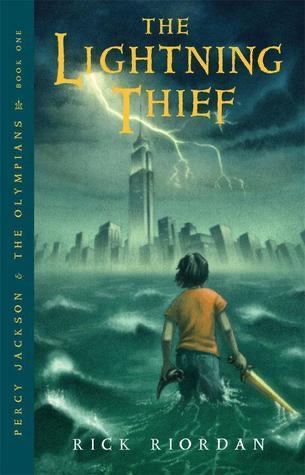
An old favorite of mine that successfuly unveils its’ plot and draws readers in right away is none other than The Lightning Thief by Rick Riordan. Riordan’s plot draws readers in from the beginning and maintains interest by adding smaller plot lines throughout. Now, he also engages his readers by spanning certain plot lines across multiple novels. Between Greek Gods and Godesses, Demi-gods, quests, and intricate characters, there is a world of things to keep the plot interesting. It’s a childhood favorite for so many for a reason.
The beautiful thing about crafting a main plot line is crafting all the subplots that add emphasis on your plot or give readers a break from the scary conflict. Subplots can be the favorite element for readers to sink their teeth into. For instance, the subplot of romance is often a coveted piece of a novel when it’s NOT the main genre. You’re creating more interest and engagement with your characters in the subplot. They have the ability to make or break a book disregarding your main plot line.
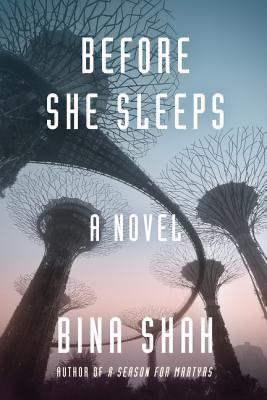
For how many books there are with amazing plots and subplots, there are just as many with less than favorable plots. The book Before She Sleeps by Bina Shah was one that missed the mark for me. While there were times when the story was interesting, the over all storyline fell flat. It claimed to be a feminist book set in a dystopian world, yet hardly anything performed in a feminist perspective and it come across as the opposite with a multiple confusing plot lines. The book deals with multiple confusing subplots that do culminate to the climax of the story, but the action afterwards seems purposeless and lost. I truly wanted to enjoy this novel, but the confusing plot and conflict wasn’t something that worked for me.
There are many more examples of books that have amazing, and not so amazing, plots that we’ll dive further into as we continue this series. When talking about plot it’s hard to not hit on other key elements of books.
Plot is also the basis for all the other elements of a book. Without plot there is no character, details, or theme. Without a good plot, there is no chance of success for your other elements either. Remember, there are many plots that some will love and others will hate. Plot can be a tricky thing to nail down was you add in subplots. Between characters backstories, details, overarching themes, and, of course, the ending, plot sets the foundation for the remaining elements.
Next, we’ll be diving head first into the world of characters. Know a book with amazing characters? Let us know in the comments or send a message on the contact page. Happy reading!
 Getting Groovy
Leave a comment